by Ron Samul
I grew up with video games, but not Halo or Red Dead Redemption. My first worlds came in pixel form — Adventure and Pitfall on Atari, then Top Gun and Tecmo Bowl on the NES. But the game that defined my rhythm — that made me see gaming as something closer to meditation — was Mike Tyson’s Punch-Out!! Without that game, I wouldn’t still be playing today, because it taught me what it meant to face the next opponent with clear vision and constant possibility.
On its surface, Punch-Out!! is a boxing game with simple bouts and cartoony fighters. But beating Mike Tyson, or even King Hippo, was its own high form of mastery. Released at the height of Tyson’s dominance, the game made you feel both the thrill and vulnerability of competition. Patrick Sauer of ESPN caught it perfectly: Little Mac, tiny and scrappy, could win through patience, concentration, and persistence rather than pure speed or strength. The game rewarded quiet focus — the mental endurance to get up again after every knockout, adjust your timing, and try once more. Those repetitions were their own lesson in Zen: failure was not the end but part of transformation.
The design made that philosophy tangible. Genyo Takeda and his team turned Little Mac into a miniature underdog so players could feel the impossible odds. You stood toe-to-toe against giants; the only way forward was study, instinct, and composure. The game demanded restraint — wait too long, you’re out cold; act too soon, you’ve lost the match. Every opponent carried a hidden rhythm that could only be uncovered through attention and patience. When you finally found that rhythm — punch to the gut, then perfect follow-up — it felt less like victory and more like enlightenment.
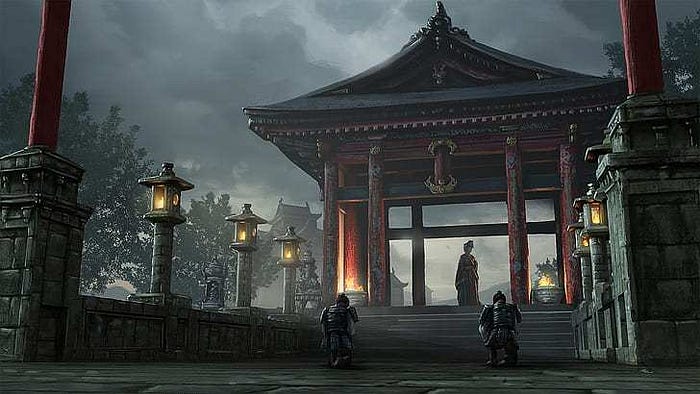
Fast forward to now: my modern version of Punch-Out!! is Sekiro: Shadows Die Twice. Playing on XBox, I can step into that world anywhere — phone, computer, television — and every time, it feels epic. I love the intimate weight of samurai combat, the poise of each clash. Sekiro isn’t just a game; it’s an ordeal, a cinematic test of will. Death comes frequently and without mercy, but each failure teaches. As Andrew Genhart observed, Sekiro is not designed to exclude but to cultivate perseverance. The difficulty is part of its grace — every parry and strike demands presence, every death invites renewal.
When the practice zombie in the opening says, “Fight me again,” he delivers a mantra for the entire experience: not win, but learn. Try again. Find a new rhythm. Discover patience through pain. It’s the modern echo of Little Mac’s journey — small fighter against impossible odds, learning to turn defeat into discipline.
I love Sekiro for the same reason I loved Punch-Out!!: both remind me that mastery grows through humility. You fail, you analyze, you try again. You evolve. Modern AAA games may look cinematic and feel massive — living novels where every battle is choreographed — but their essence is still Zen in motion. They are meditations on perseverance, control, and insight wrapped in flashing pixels and soundtracks.
Thirty years ago, I was learning how to duck Tyson’s uppercut; now I’m learning how to parry a samurai’s blade. Different worlds, same lesson. The graphics have changed, but the wisdom remains: every time you fall, you get up sharper, calmer, more prepared. And somewhere between the ring and the sword, I keep finding that humble truth.

